Optimized Layout Finishing Touches Added Comfort
Revitalize Your Space: Key Information Regarding Home Renovation Work for Each House Owner
Property owners frequently look for methods to enhance their living spaces via professional remodeling. These projects can range starting with kitchen improvements to full house remodeling. Knowing the choices accessible is essential for choosing intelligently. Furthermore, there exist real-world factors like budgeting and contractor selection. As homeowners commence on this journey, they might encounter surprising obstacles. Achieving a successful makeover lies in careful planning and performance. What should be done subsequently?
Knowing the Various Categories of Home Remodeling Services
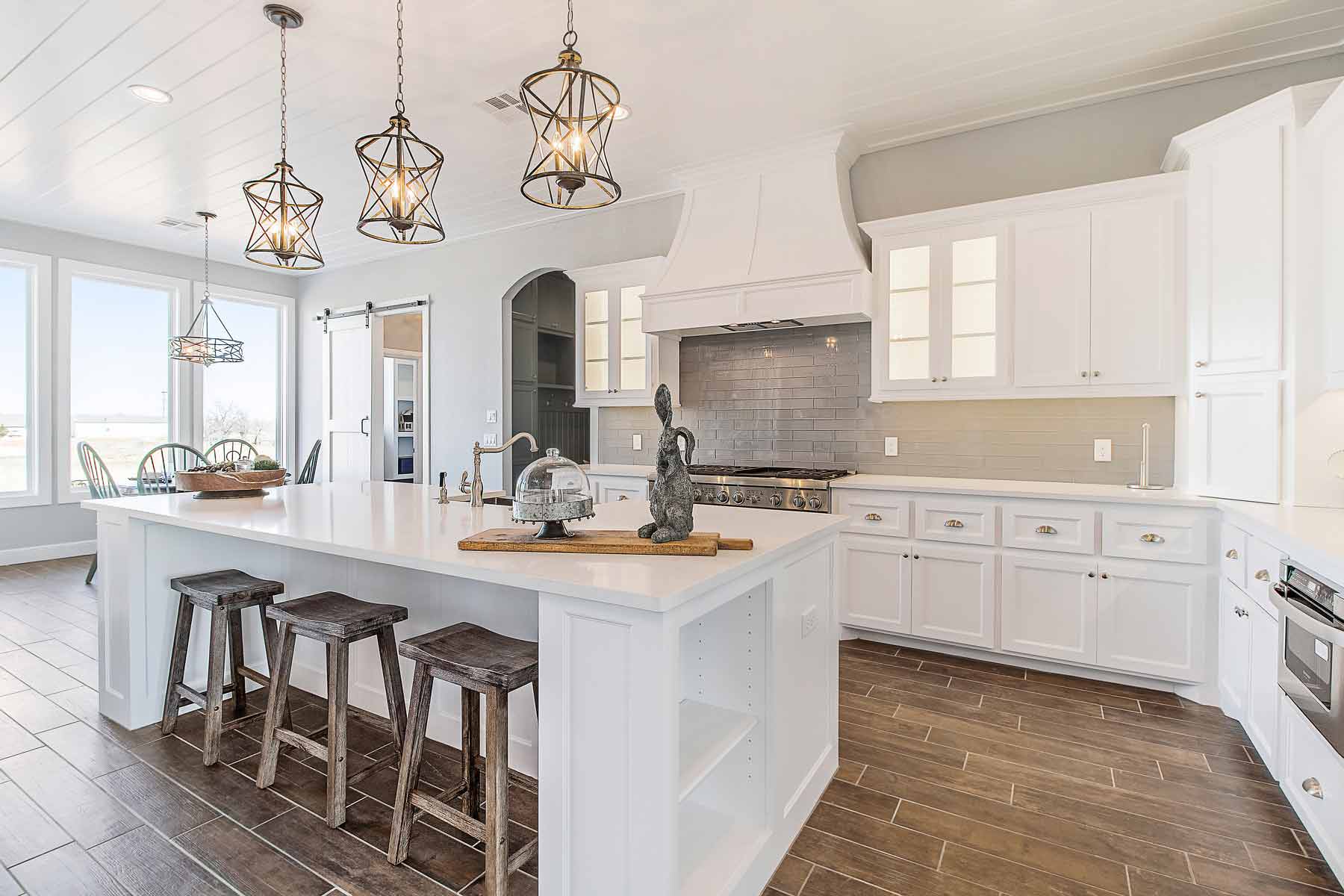
When property owners think about upgrading their homes, they often encounter many different types of services designed for specific preferences and preferences. These options can be widely classified into several types, all dealing with certain elements of home improvement. Renovating the kitchen involves modernizing fixtures, cabinetry, and floor plans to boost practicality and aesthetics. Bathroom remodeling typically involves improving the fittings, tiling, and storage solutions for greater ease and design.
Full-house renovation covers significant changes throughout the residence, often including structural alterations to maximize the area and movement. External improvement work, on the other hand, concentrate on enhancing curb appeal, addressing siding, the covering, and the yard. Moreover, niche projects like basement finishing and upgrading the attic help residents make the most of unused areas. Each type of remodeling service offers unique benefits, letting residents pick services that align with their vision for their residence. Grasping these differences is crucial to making informed decisions throughout the remodeling project.
Establishing a Practical Spending Plan for Your Home Improvement Work
What steps ensure their renovation work stays financially viable? Setting a practical budget is vital. Property owners must start by assessing their monetary resources, including savings and potential financing options. This initial step allows one to figure out the amount that can be set aside for the remodel while maintaining other fiscal obligations.
Next, homeowners must investigate the expenses linked to their planned updates, considering materials, labor, and unforeseen expenses that often arise. Making an exhaustive list of needs helps with identifying must-haves versus nice-to-haves, making it possible to adjust if funds become limited.
It is prudent to set aside an emergency fund, generally 10-20% of the entire budget, to cover more information unexpected costs. Frequently checking and modifying the budget during the renovation project can further assist in keeping finances in check. Ultimately, a well-planned budget does more than just confirm the project can be done but also enhances the overall remodeling experience for those living in the home.
Finding the Best Contractor for Your Needs.
Selecting the right contractor has a major influence on the success of a remodeling project. Homeowners should begin by performing extensive investigation, asking for referrals from friends, family, or internet reviews. It’s vital to verify credentials, such as licenses, insurance, and surety bonds, to confirm legitimacy.
Once potential contractors are identified, property owners must ask for comprehensive quotes and schedules, facilitating well-grounded side-by-side evaluations. Discussions reveal their approach to dialogue and their level of expertise, which are essential for a collaborative process.
In addition, looking at completed jobs through galleries or recommendations can reveal a contractor's quality of workmanship. It is wise to question them regarding warranties or safeguards, which shows the professional's belief in their output.
Finally, picking a builder whose approach fits the property owner's ideas, cost plan, and timeframe creates a better renovation journey, making certain the outcome satisfies needs and changes the space as intended.
Organizing and Conceptualizing Your Perfect Area.
As those renovating imagine their desired rooms, careful planning and thoughtful design become essential components of a successful remodeling project. The initial phase includes assessing present requirements and long-term goals, which permits a comprehensive grasp of the room's intended function. Homeowners should consider practicality, aesthetics, and personal style, making sure the design captures their distinctive choices.
Subsequently, developing a comprehensive budget is essential. This budget should accommodate materials, labor, and potential unforeseen expenses. Engaging with design professionals can give meaningful advice, helping to optimize the space while adhering to budgetary constraints.
Integrating components like natural light, open layouts, and eco-friendly supplies can enhance the overall experience. Lastly, seeing the project via mock-ups or 3D visualizations can aid in refining ideas before starting the work. By approaching the planning and design phase with intention, homeowners can build a comfortable, effective space customized for their needs.
Navigating Permits and Regulations in Home Remodeling
Understanding the complexities of permits and regulations can be challenging for homeowners starting on a remodeling project. Every city or county maintains distinct regulations that dictate what is permissible during renovations, typically guided by zoning laws, construction standards, and safety standards. Owners need to acquaint themselves with local regulations to prevent expensive penalties or setbacks in the timeline.
Typically, obtaining permits is crucial for substantial modifications, such as modifying load-bearing elements or new wiring installations. This process usually necessitates providing designs for examination and could involve check-ups at different phases.
Engaging a knowledgeable contractor can streamline these steps, as they are usually well-versed in local regulations and can assist with paperwork. Owners must also maintain clear communication with the city's regulatory body to verify legality throughout the project. By grasping and navigating these regulations, homeowners can fulfill their improvement aims and maintaining compliance with the law in their renovations.
Frequently Asked Questions
How Much Time is Needed for a Typical Remodeling Job?

The average remodeling job typically spans between three to six months, based on the size of the job, size of the home, and availability of materials. Intricate jobs could demand more time for completion.
What are typical errors that people make throughout the renovation process?
Typical pitfalls in the remodeling process are things like miscalculating costs, ignoring necessary permits, missing scheduled deadlines, failing to communicate effectively with your builders, and not considering long-term functionality. Understanding these dangers often results in a less stressful, more successful renovation project.
How should I go about choosing the appropriate materials for my project?
Picking the best materials involves evaluating durability, the look and feel, and financial limits. Investigating available choices, talking to specialists, and considering maintenance needs are vital steps in making informed decisions, to guarantee the project fits your functional and aesthetic goals.
Is it possible to stay in my house throughout the construction phase?
Yes, one can live in the house while work is ongoing, but it could be uncomfortable. Careful planning, effective coordination with the renovation team, and creating defined spaces where you can live normally can help minimize disruption during the process.
What kind of coverage should be provided from the renovation company?
Clients typically receive warranties for the labor performed, materials, and the integrity of the structure, often covering a period of one to ten years. It is crucial to review the exact provisions alongside your builders to know the full extent of the guarantee and its restrictions.